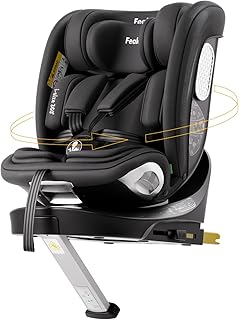
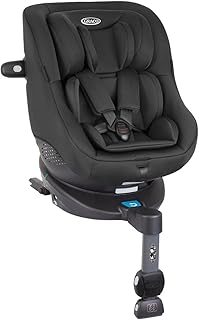
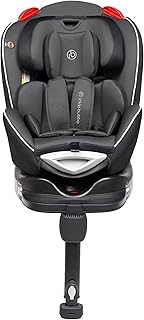
Expert Insights for Baby Seat Enthusiasts to Consider in 2026
As we approach 2026, advancements in baby seat technology are set to redefine safety and comfort for infants and parents alike. The evolution of regulations, materials, and design will play a crucial role in how these products are developed and marketed. Baby seat enthusiasts must stay informed about these changes to make the best choices for their families.
Safety Standards and Regulations
In 2026, we expect to see an increase in the stringency of safety standards for baby seats. Regulatory bodies across the UK and Europe are likely to introduce new guidelines that emphasise the necessity of thorough crash testing and the use of innovative materials that enhance safety. Enthusiasts should pay close attention to compliance with these updated regulations, as they will influence the quality and reliability of the products available on the market.
Technological Innovations
The integration of technology into baby seats is anticipated to reach new heights. Features such as smart sensors that monitor the baby’s position and temperature will become more prevalent. In 2026, enthusiasts should look for seats equipped with these technologies, which can provide real-time feedback to parents via mobile applications. These advancements aim to ensure that children are not only safe but also comfortable throughout their journeys.
People Also Look For:
- Kinderkraft Car Seat Comfort UP, I-Size Booster Child Seat, with 5 Point Harness, Adjustable Headrest, for Toddlers, Infant, Group...
- Maxi-Cosi CabrioFix i-Size, Baby Car Seat, 0–12 Months, Max. 12kg, Lightweight Car Seat Newborn (3.2kg), Large Sun Canopy, Extra...
- My Babiie MBCS50 Toddler to Booster R129 Child Car Seat - 5-Point Harness, 76-150cm (Approx. 9-36kg, 15 Months - 12 Years), i-Size...
- My Babiie MBCS02 i-Size Baby Car Seat - 40-87cm (Birth to 15 Months Approx.), R129, Group 0+, Lightweight Infant Carrier, Large Ca...
- My Babiie MBCS02 i-Size Baby Car Seat - 40-87cm (Birth to 15 Months Approx.), R129, Group 0+, Lightweight Infant Carrier, Large Ca...
Materials and Design Features
As environmental consciousness grows, manufacturers are expected to innovate with sustainable materials in baby seat design. The use of recycled plastics and organic fabrics will likely become more common, appealing to eco-friendly consumers. Additionally, the design of baby seats is evolving to not only prioritise safety but also aesthetic appeal, making them more attractive for modern families.
Comfort and Ergonomics
In 2026, the importance of comfort cannot be overstated. Baby seats are being designed with ergonomics in mind, ensuring that infants are adequately supported during travel. Adjustable features, such as recline angles and head support, are crucial factors that enthusiasts should consider when selecting a seat. These adjustments allow for a better fit as the child grows, promoting longer usage periods.
Future Trends in Baby Seat Technology
Looking ahead, we may also witness the emergence of modular baby seats that can adapt to various stages of a child's growth. This versatility will appeal to parents seeking long-term value in their purchases. Baby seat enthusiasts should remain vigilant for products that offer this adaptability, as they represent a significant shift in how baby seats are conceptualised and marketed.
Community and Expert Reviews
The role of online communities in shaping consumer choices is becoming increasingly significant. By 2026, enthusiasts can expect to find a wealth of expert reviews and user testimonials that will guide their purchasing decisions. Engaging with these communities will not only provide insights into product performance but also foster a sense of camaraderie among parents navigating similar challenges.
Choosing the Right Baby Seat
When considering a baby seat in 2026, parents should focus on several key aspects. Evaluating the ease of installation, the adaptability of the seat, and the availability of safety features are crucial steps in making an informed choice. Furthermore, attending expos and trade shows can provide firsthand experience with the latest offerings in baby seat technology, allowing enthusiasts to make educated decisions.
As we continue to explore the innovations and trends in baby seat technology, it is essential for parents to stay informed and engaged. Understanding the evolving landscape of safety standards, technological advancements, and community insights will empower them to choose the best products for their children. With the right knowledge and resources, baby seat enthusiasts will be well-equipped to navigate the market in 2026.