Ultimate Guide to Choosing Baby Seats for 2026 and Beyond
As parents, the safety and comfort of our little ones are paramount, especially when it comes to selecting baby seats. With 2026 just around the corner, advancements in technology, safety regulations and design trends will influence the choices available in the market. This guide aims to empower parents with the knowledge required to make informed decisions about baby seats for their children.
Understanding the Types of Baby Seats
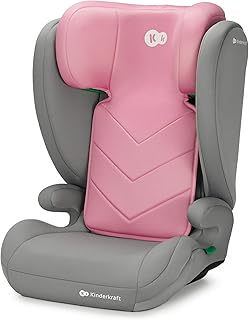
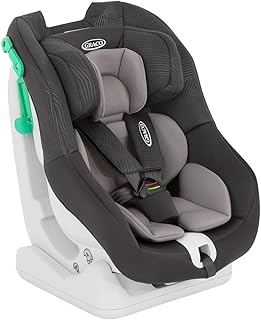
There are several types of baby seats available, each designed for specific needs and stages of a child's development. The three primary categories are infant car seats, convertible car seats, and booster seats. Infant car seats are designed for newborns and small infants, providing a rear-facing position for optimal safety. Convertible car seats can be used from infancy through toddlerhood and can transition from rear-facing to forward-facing. Booster seats are for older children who have outgrown their harnessed seats and require elevation to use the vehicle’s seat belt properly.
Safety Standards and Regulations
When choosing a baby seat in 2026, it is crucial to stay informed about current safety standards and regulations. In the UK, the Department for Transport regularly updates guidelines and testing standards to ensure child safety in vehicles. Look for seats that comply with the latest ECE R44/04 or R129 (i-Size) regulations. These standards provide assurance that the seat has undergone rigorous testing for crash performance, ease of use, and overall safety.
People Also Look For:
- Nania - Dune Car seat 360° Swivel I-Size 40-150 cm - Evolutive from Birth to About 12 Years - Group 0+/1/2/3 - isofix attachments...
- Joie Spin 360 R44 Rotating Combination Group 0+1 ISOFIX Car Seat (Birth - Approx 4 Years, 0-18kg), Ember
- My Babiie MBCS02 i-Size Baby Car Seat - 40-87cm (Birth to 15 Months Approx.), R129, Group 0+, Lightweight Infant Carrier, Large Ca...
- Graco SnugLite i-Size R129 Infant car seat, Suitable from 40-75cm, Birth to Approx 12 Months, Lightweight at only 3.3kg, Compatibl...
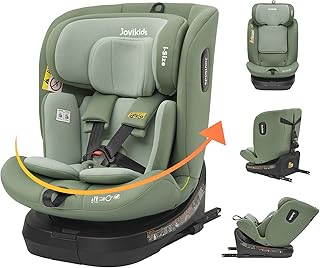
- Jovikids ISOFIX Car Seat 360° for 40-150cm Baby Children, Rotating Car Seat for Newborn 0-12 Years, ECE R129/E4, Fixations ISOFIX...
Features to Consider
Modern baby seats come with a plethora of features designed to enhance safety and convenience. One key feature to consider is the installation system. Many car seats now utilise ISOFIX, a system that allows for easy and secure attachment to the car’s chassis, minimising the risk of incorrect installation. Additionally, look for seats that offer adjustable headrests and harness systems to accommodate your growing child.
Another important consideration is the seat's ease of cleaning. Babies and toddlers can be messy, so a removable, machine-washable cover can be a valuable feature. Some seats also come with antimicrobial fabrics to reduce the risk of germs and allergens, making them a healthier option for your child.
Comfort and Ergonomics
Comfort is essential for your child's enjoyment during car rides. In 2026, many brands focus on ergonomic designs that support a child's body while ensuring adequate support for their head and neck. Look for seats with ample padding, adjustable reclining positions, and breathable fabric to keep your child comfortable, especially during long journeys.
Longevity and Value for Money
Investing in a baby seat is a significant decision, and considering longevity is key. Convertible car seats are often the best value for money as they can adapt to your child's changing needs. Research the lifespan of the seat, as most seats have an expiry date after which they should no longer be used. This ensures that you are using a product that meets the latest safety standards and has not deteriorated over time.
Brand Reputation and Reviews
Choosing a reputable brand can greatly influence your confidence in the product. Look for brands that have established a strong reputation for safety, innovation, and customer service. Online reviews and recommendations from other parents can provide valuable insights into the performance and reliability of specific models. Engaging with parenting forums can also help you gauge the experiences of others who have used the seats you are considering.
Testing and Certification
Before making a purchase, it is advisable to test the baby seat in your vehicle to ensure a proper fit. Many retailers offer the option to try out the seat before buying. Additionally, consider checking for independent crash test ratings from organisations such as Which? or Euro NCAP. These ratings provide impartial assessments of safety performance, giving you peace of mind that you are making a sound choice.