Navigating Baby Seat Choices for Safety in 2026 and Beyond
As we move further into 2026, the landscape of baby seat choices continues to evolve, driven by advancements in technology, changes in regulations, and heightened awareness of child safety. The selection of a baby seat is a critical decision for parents, as it directly impacts the safety of their little ones during travel. With so many options available, it can be overwhelming to determine which seat offers the best protection and convenience.
Understanding the Different Types of Baby Seats
In 2026, parents can choose from several types of baby seats, each designed for specific age groups and weight limits. The primary categories include infant carriers, convertible seats, booster seats, and all-in-one seats. Infant carriers are designed for newborns and can typically be used until a child reaches around 13 kg. These seats are often portable and can be easily transferred from car to stroller, making them a popular choice for new parents.
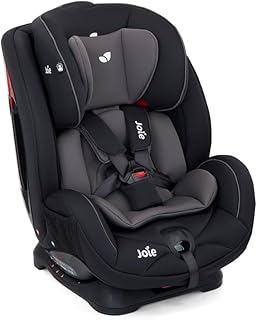
Convertible seats are another option for parents looking for longevity. These seats can be used in a rear-facing position for infants and then transitioned to a forward-facing position as the child grows. In recent years, manufacturers have made significant improvements in the safety features of convertible seats, including enhanced side impact protection and adjustable harness systems.
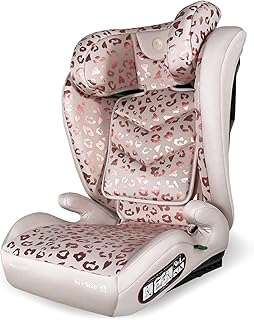
Booster seats, which are designed for older children who have outgrown forward-facing seats, elevate the child to ensure the seatbelt fits properly. The introduction of high-back and backless booster options gives parents the flexibility to choose a style that best suits their vehicle and child. All-in-one seats combine the features of all the aforementioned types, allowing for a seamless transition from infancy to childhood.
People Also Look For:
- globalkids i-Size 360 Swivel Car Seat, Group 0+123 Car Seat with ISOFIX and Support Leg, ECE R129, 0-36 kg, 0-12years, 40cm-150cm,...
- Graco Affix R44 Highback Booster car seat with isoCatch connectors, Suitable from approx. 4 to 12 years (15-36kg), Stargazer fashi...
- LETTAS 360 Rotation Baby Car Seat with Isofix Group 0+1/2/3 (0-36 kg, 0-12 Years) Maximum Recline 165° for Rear Facing, SIPS
- Bebeconfort Ever i-Safe, Evolutive Car Booster Seat, 15 Months - 12 Years, 76-150 cm, Toddler Car Seat, R129 Safety, Side Impact P...
- Bebeconfort RevolveFix 360 i-Size, 360 Swivel Car Seat, 0-12 Years, 40-150 cm, ISOFIX Car Seat, Top Tether Installation, 360 Rotat...
Safety Standards and Regulations
As we progress through 2026, the UK government and safety organisations continue to implement stringent regulations to ensure that baby seats meet high safety standards. The latest guidelines emphasise the importance of rear-facing seats for as long as possible, ideally until the child reaches 15 months. This recommendation aligns with research indicating that rear-facing seats provide superior protection for a child's head, neck, and spine in the event of a collision.
Additionally, parents should look for seats that comply with the latest EU safety standards, such as i-Size regulations. These standards require seats to undergo rigorous testing for side impact protection and overall crash performance. Understanding these regulations can empower parents to make informed decisions when selecting a baby seat.
Technological Advancements in Baby Seats
The year 2026 has brought forth exciting technological advancements that enhance the safety and usability of baby seats. Many modern seats are now equipped with features such as built-in sensors that alert parents if the seat is not properly installed. Others may include smart technology that monitors the child's position and offers reminders for safe belt use through a smartphone app.
Furthermore, innovative materials are being used to design lighter yet more robust seats, making them easier to install and transport without compromising safety. The integration of breathable fabrics and cooling technologies in baby seats ensures comfort for children during long journeys, which is another important consideration for parents.
Choosing the Right Seat for Your Child
When selecting a baby seat, parents should consider several factors including the child’s age, weight, and height, as well as the compatibility of the seat with their vehicle. It is essential to try the seat in your car before purchasing to ensure a proper fit. Additionally, parents should take into account their lifestyle; for example, families who frequently travel may benefit from a lightweight seat that is easy to install and remove.
It is advisable to read reviews and seek recommendations from trusted sources. Attending safety workshops or clinics where parents can receive hands-on demonstrations of seat installations can also be invaluable. Many local authorities and child safety organisations offer these resources to help parents make informed choices.
...